
NO COST TO YOU UNLESS WE WIN
We help people across the UK make no win no fee medical negligence claims after substandard medical care, delayed treatment, misdiagnosis and avoidable medical errors with straightforward legal advice and Polish speaking support available.
Medical negligence can have a serious impact on a person’s health, recovery, finances and everyday life. Many people place trust in medical professionals expecting appropriate care and treatment, only to later discover mistakes were made that could potentially have been avoided.
Medical negligence claims can involve delayed diagnoses, incorrect treatment, surgical errors, medication mistakes or failures to identify serious medical conditions properly. In some situations, delays in treatment can cause symptoms and conditions to become significantly worse over time.
Whether the negligence happened in a hospital, GP surgery, dental practice, clinic or another healthcare environment, you may still be entitled to seek compensation if substandard medical care caused avoidable harm or unnecessary suffering.
Medical negligence can affect people in many different ways depending on the treatment involved and the seriousness of the mistake made. Some people recover after corrective treatment, while others are left dealing with ongoing health complications, psychological trauma or long-term medical problems affecting everyday life.
In many situations, medical negligence does not only affect physical health. Delayed treatment, incorrect diagnoses and avoidable complications can also lead to emotional distress, financial pressure and reduced quality of life afterwards.
Common medical negligence claims can involve:
If medical treatment, delayed care or mistakes by healthcare professionals caused avoidable harm or worsened your condition, you may still be entitled to seek compensation.
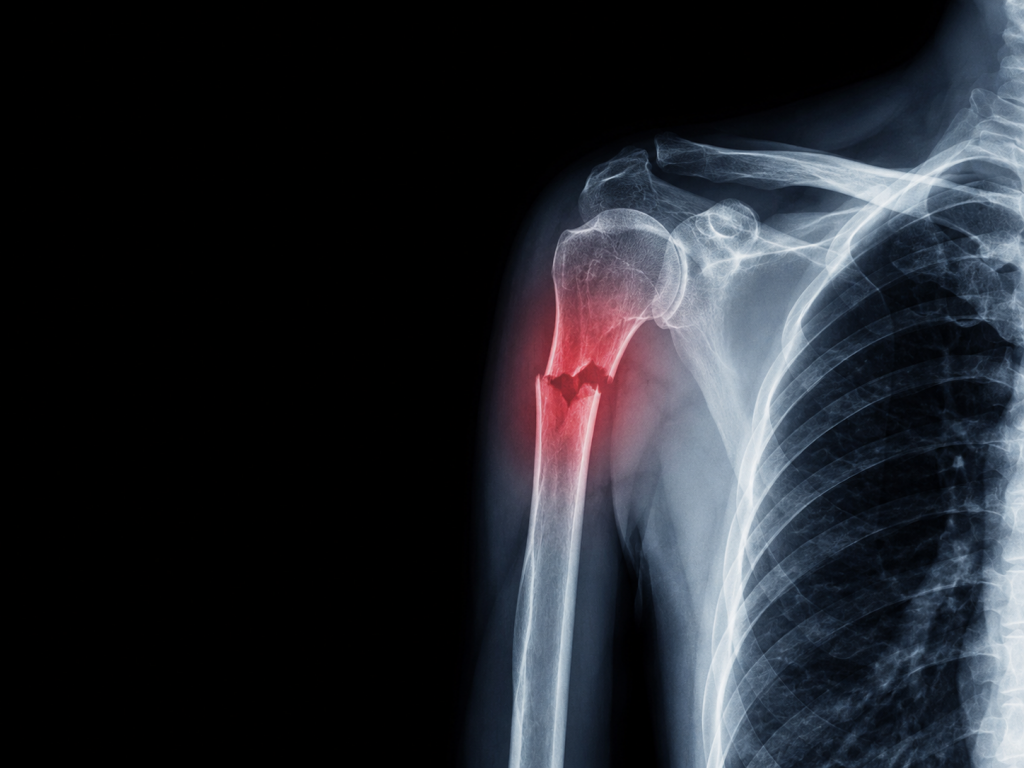
Many people avoid seeking legal advice because they assume medical negligence claims will be stressful or overly complicated. In reality, the process is often more straightforward than expected once the circumstances and medical evidence have been reviewed properly.
After discussing your situation and treatment history, the next steps can usually be explained clearly from the beginning. This may include reviewing medical records, arranging independent medical assessments and discussing whether a no win no fee claim may be possible.
Find out what your personal injury claim may be worth.
Many people avoid seeking legal advice after suffering medical negligence because they are worried about legal costs or the complexity of making a claim. With a no win no fee agreement, you generally only pay legal fees if your claim succeeds.
This allows injured individuals to pursue compensation without large upfront solicitor costs while focusing on treatment, recovery and ongoing medical support. Clear legal advice and straightforward guidance can make the process much easier to understand from the beginning.
Many people assume complications during treatment are simply unavoidable and do not realise they may be entitled to compensation afterwards. However, healthcare professionals and medical providers have a responsibility to provide appropriate standards of care and treatment.
If mistakes were made during diagnosis, surgery, treatment or ongoing care that caused avoidable harm or worsened your condition, you may still be able to make a compensation claim.
Even if you are unsure whether negligence occurred, seeking early legal advice can help you better understand your situation and whether the treatment you received may have fallen below acceptable standards.
Compensation following medical negligence is not limited to the physical injury or worsening condition itself. A successful claim may also include financial losses and expenses caused by the negligence and recovery period afterwards.
This may include treatment costs, rehabilitation expenses, travel costs linked to appointments, loss of earnings, counselling support and ongoing medical care where complications continue affecting everyday life long-term.
More serious cases may also involve future treatment requirements, reduced ability to work and long-term support needs depending on the impact the negligence has had on your health and quality of life.
Minor road traffic whiplash injuries can vary depending on pain duration, treatment and recovery time.
Moderate whiplash injuries may involve ongoing neck pain, physiotherapy and disruption to daily life.
Compensation for back injuries can depend on severity, mobility issues and long-term recovery needs.
Neck injury compensation may increase where symptoms continue to affect work and everyday movement.
Shoulder injuries following road accidents may involve surgery, rehabilitation and reduced mobility.
Knee injury claims can involve ligament damage, long-term pain and difficulty returning to work.
Serious accident injuries may require ongoing rehabilitation, treatment and future care support.
Head and brain injury claims are often valued higher due to long-term physical and cognitive effects.
Soft tissue injuries after collisions can involve pain, treatment and temporary loss of mobility.
Chest injuries may involve breathing difficulties, fractures and lengthy recovery after accidents.
Compensation for arm injuries can depend on fractures, surgery requirements and ongoing symptoms.
Multiple injuries from serious road accidents may result in significantly higher compensation awards.
Compensation amounts are guideline estimates only and depend on the severity of the injury, evidence and financial losses involved. Call today on 0330 900 0377.
Medical negligence generally involves situations where treatment or care provided by a healthcare professional falls below acceptable standards and causes avoidable harm or injury.
This may include delayed diagnoses, surgical mistakes, medication errors, incorrect treatment or failures to identify serious medical conditions properly.
Yes. Many medical negligence claims involve situations where delays in diagnosis or treatment caused a condition to worsen unnecessarily.
In some cases, earlier treatment may have reduced complications, improved recovery or prevented further harm from occurring.
Medical negligence claims often involve reviewing medical records, treatment history, appointment notes and independent medical evidence.
Documents linked to financial losses, treatment costs and ongoing medical care may also help support a claim depending on the circumstances involved.
Yes. Medical negligence claims can involve NHS treatment as well as private healthcare providers.
If substandard treatment or avoidable mistakes caused unnecessary harm, you may still be entitled to seek compensation regardless of whether the treatment was provided privately or through the NHS.
The time needed to settle a medical negligence claim depends on the complexity of the case, the medical evidence involved and whether responsibility is disputed.
Some claims settle within months, while more serious or complex cases involving long-term complications may take considerably longer.
Most medical negligence claims settle without the need for a court hearing. Many cases are resolved through negotiations once medical evidence and expert reports have been reviewed.
Court proceedings are generally only necessary where responsibility or compensation remains disputed.
If you cannot find the answer to your question below, feel free to give our team a call on 07557 515577 and we will be happy to help.